Connecting research and local conservation efforts at Cap Roux (France)
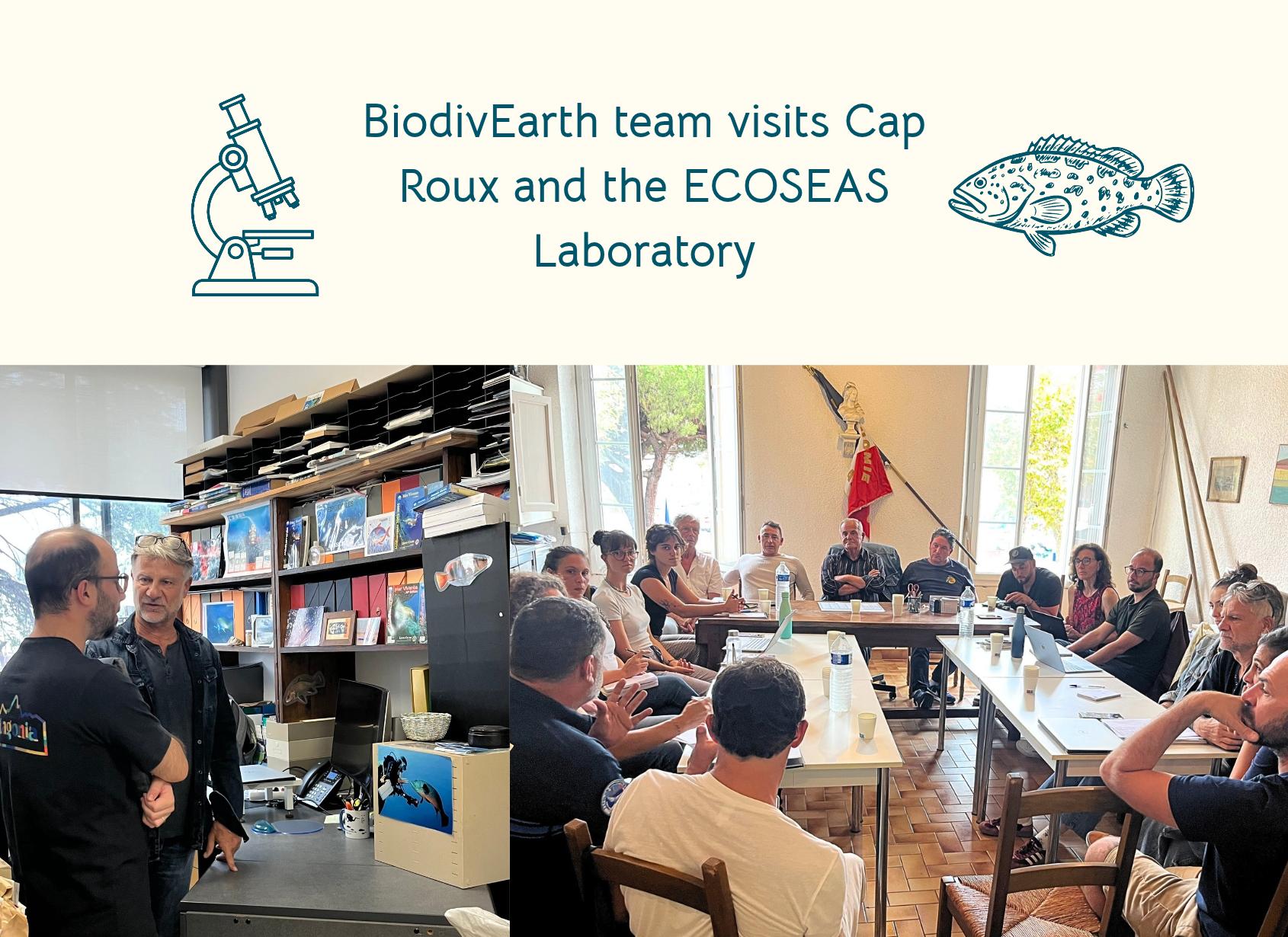
In early October, the BiodivEarth team facilitated a meeting with the Prud’homie de pêche de Saint-Raphaël and met with researchers from the ECOSEAS laboratory at Université Côte d’Azur. These two exchanges are part of our ongoing work at Cap Roux, one of BiodivEarth’s pilot sites, bringing together local conservation efforts and existing research.
Supporting local efforts at Cap Roux
The meeting with the Prud’homie de pêche de Saint-Raphaël (local fishers’ governance body) was organised as part of BiodivEarth’s support to the Prud’homie and its efforts to build an active dynamic around the fishing reserve. It also provided an opportunity for the stakeholders involved in the reserve to review the summer season, taking stock of awareness-raising and surveillance activities and discussing the issues encountered. Another key focus was to share the information and data already available and establish a common basis for monitoring and management actions.
This work will continue with our intern Faustine Rialan who will spend three months working with local stakeholders to gather existing monitoring data on the Cap Roux reserve. The aim is to organise and centralise these resources at the Prud’homie, making them more accessible to the people involved in the management and protection of the site.
Bringing together information on the site’s history, biodiversity and management can help build a more comprehensive understanding of how Cap Roux has evolved and the conditions that have enabled biodiversity and communities to thrive together over time. This shared knowledge base will also contribute to BiodivEarth’s research across its pilot sites.
Connecting existing research with BiodivEarth’s work
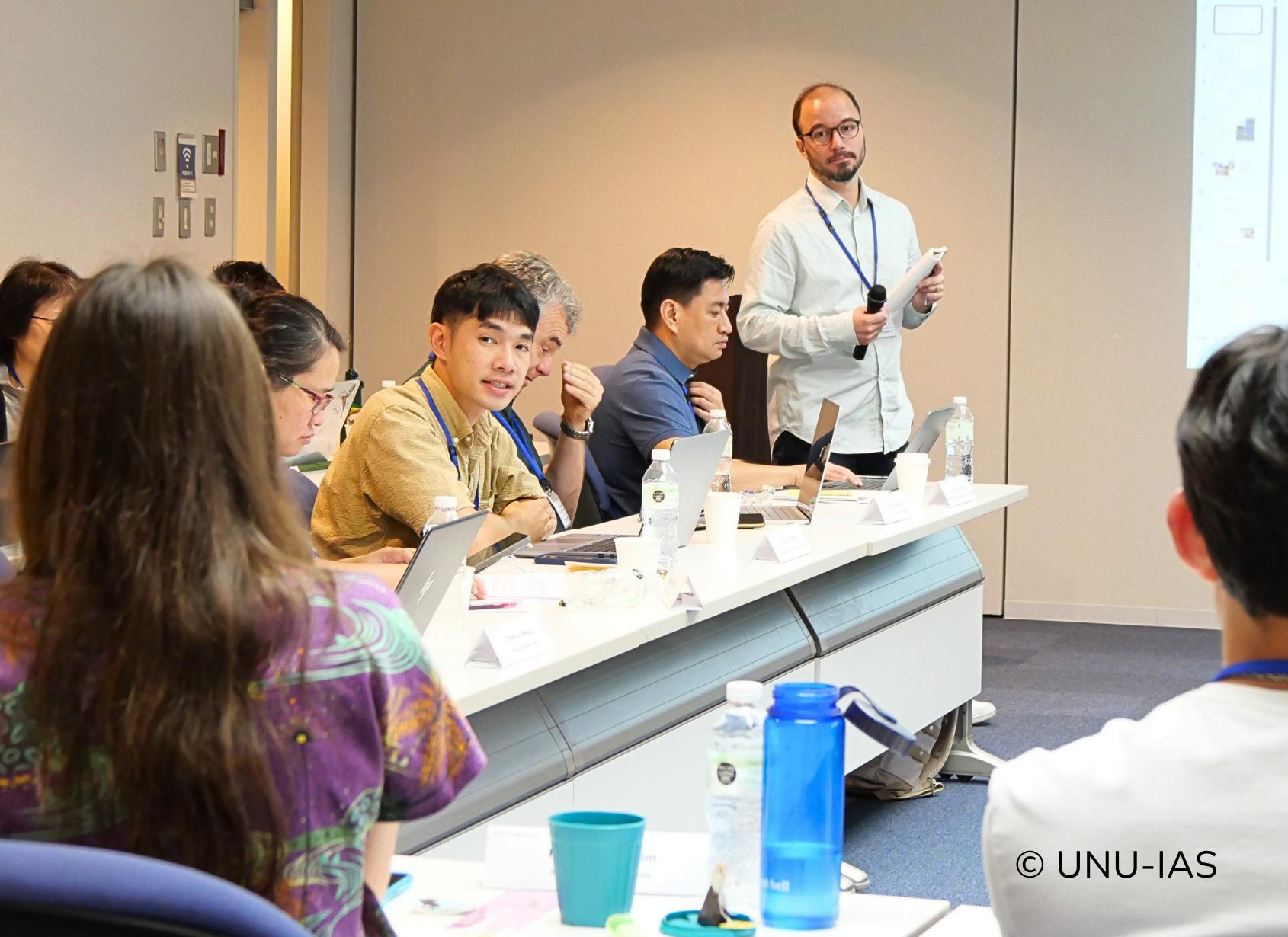
The visit to the ECOSEAS laboratory at Université Côte d’Azur offered an opportunity to present BiodivEarth’s research programme and explore connections with the work of researchers from different fields.
ECOSEAS has carried out numerous studies and monitoring activities around Cap Roux over the years. This existing body of research represents a valuable source of knowledge about the site’s marine ecosystems. During our discussions, we explored how available studies, data and monitoring methods could complement BiodivEarth’s work and contribute to a broader understanding of the site within our research programme.
The exchanges also covered environmental DNA, marine species monitoring and socioecological research. These different approaches can offer complementary perspectives on marine ecosystems and the relationships between ecological processes and the people who use, manage and care for these areas.
Looking ahead
Together, these two meetings highlight the value of connecting local knowledge, existing research and the experiences of the people involved in managing a site. At Cap Roux, this means supporting the Prud’homie in its work around the reserve and building on the knowledge already available to inform BiodivEarth’s research.
We warmly thank the Prud’homie de pêche de Saint-Raphaël, the ECOSEAS team at Université Côte d’Azur and all those contributing to this work for their warm welcome, time and continued engagement.