In September, BiodivEarth’s postdoctoral researcher Jonathan Peereman travelled to Tokyo for the International Partnership for the Satoyama Initiative (IPSI) Case Study Workshop, organised as part of the preparation of Volume 12 of the Satoyama Initiative Thematic Review (SITR).
A closer look at SITR Volume 12
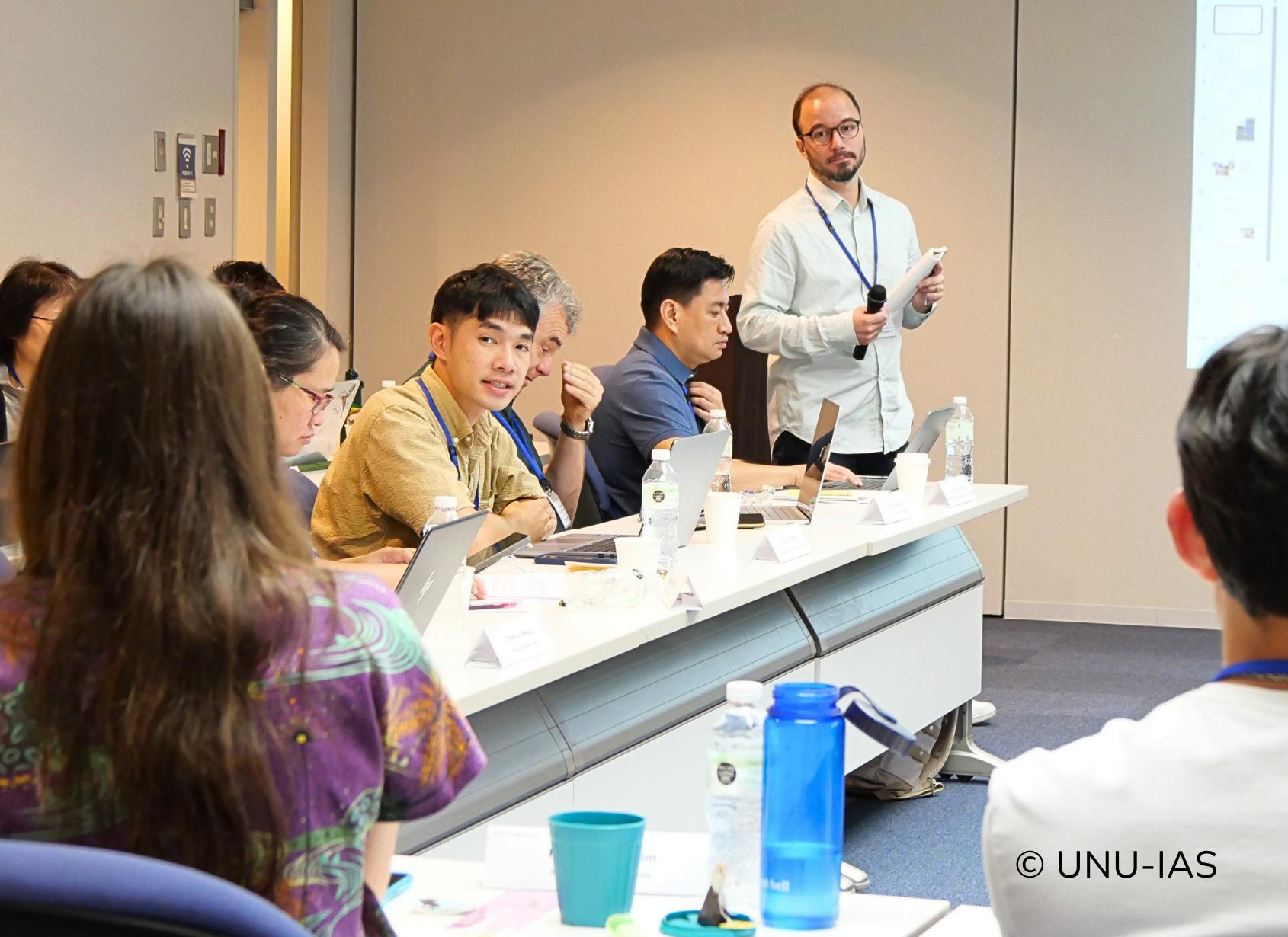
The workshop brought together the people involved in developing the volume, including chapter authors, reviewers and editors. Over three days, participants presented their contributions, discussed feedback received during the review process and explored some of the broader questions connecting the different chapters.
The workshop was an important step in the preparation of SITR Volume 12, providing a space to discuss the contributions collectively and consider how the different perspectives and approaches can contribute to the review as a whole.
BiodivEarth’s contribution
BiodivEarth is contributing a chapter to the volume together with members of its Community of Practice (CoP). The chapter builds on the experiences of CoP members and looks at questions related to resilience and multifunctionality in socio-ecological production landscapes and seascapes (SEPLS).
Jonathan presented the chapter on the second day of the workshop. The presentation was followed by comments and suggestions from reviewers and other participants, which will feed into the next stage of the chapter’s development.
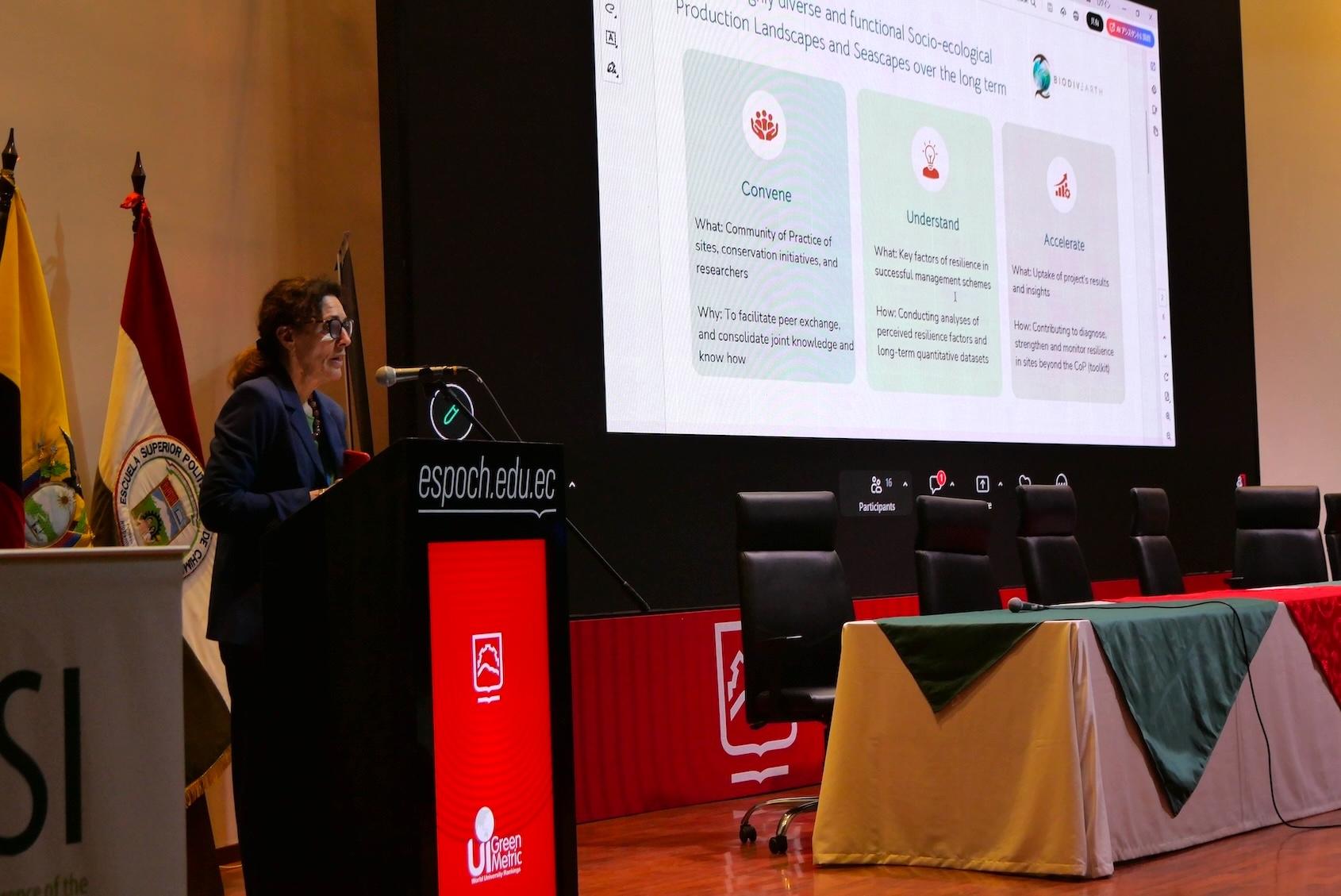
The workshop also gave Jonathan the chance to present BiodivEarth’s work to participants who were less familiar with the project. He shared more about the Community of Practice, our pilot sites and the research currently being developed across the network. This helped situate BiodivEarth’s contribution within the wider range of work being carried out across SEPLS.
Learning across sites and approaches
A recurring theme throughout the workshop was how SEPLS can be understood and monitored across different contexts. Participants discussed concepts, methodologies and indicators, as well as some of the challenges and questions that remain around monitoring multifunctionality.
For BiodivEarth, these discussions were particularly relevant as we continue to develop our own research approach and tools. Hearing how researchers and practitioners working in different places address similar questions also brought new perspectives to the work being developed with our Community of Practice.
The workshop was not limited to the formal sessions. Conversations during breaks and over coffee allowed participants to learn more about one another’s work and about different sites and initiatives. Several participants showed an interest in BiodivEarth’s approach and in the sites and organisations involved in our Community of Practice. These exchanges also created possibilities to stay in touch and explore connections with other initiatives in the future.
Continuing the exchange
For Jonathan, the workshop was also a chance to spend time with the IPSI team and meet other people involved in the International Partnership for the Satoyama Initiative. As IPSI is part of BiodivEarth’s Community of Practice, the workshop was a particularly good occasion to strengthen these existing links while getting to know others involved in the initiative.
We would like to thank the UNU Institute for the Advanced Study of Sustainability and the IPSI team for their warm welcome in Tokyo and for bringing together such a diverse group of contributors.
The work on SITR Volume 12 will continue over the coming months, with publication expected in 2027. We look forward to following the next stages of the review and to discovering the final volume.