
Our project
Our project
Building resilience in high biodiversity areas for nature and people.
Understanding and sharing the keys to resilient socio-ecological landscapes and seascapes through collaboration, learning, and evidence from effective conservation and resource management worldwide.
Project purpose
The goal of this first project of BiodivEarth is to strengthen resilience in socioecological landscapes and seascapes through supporting effective conservation model and resource management schemes.
Our approach
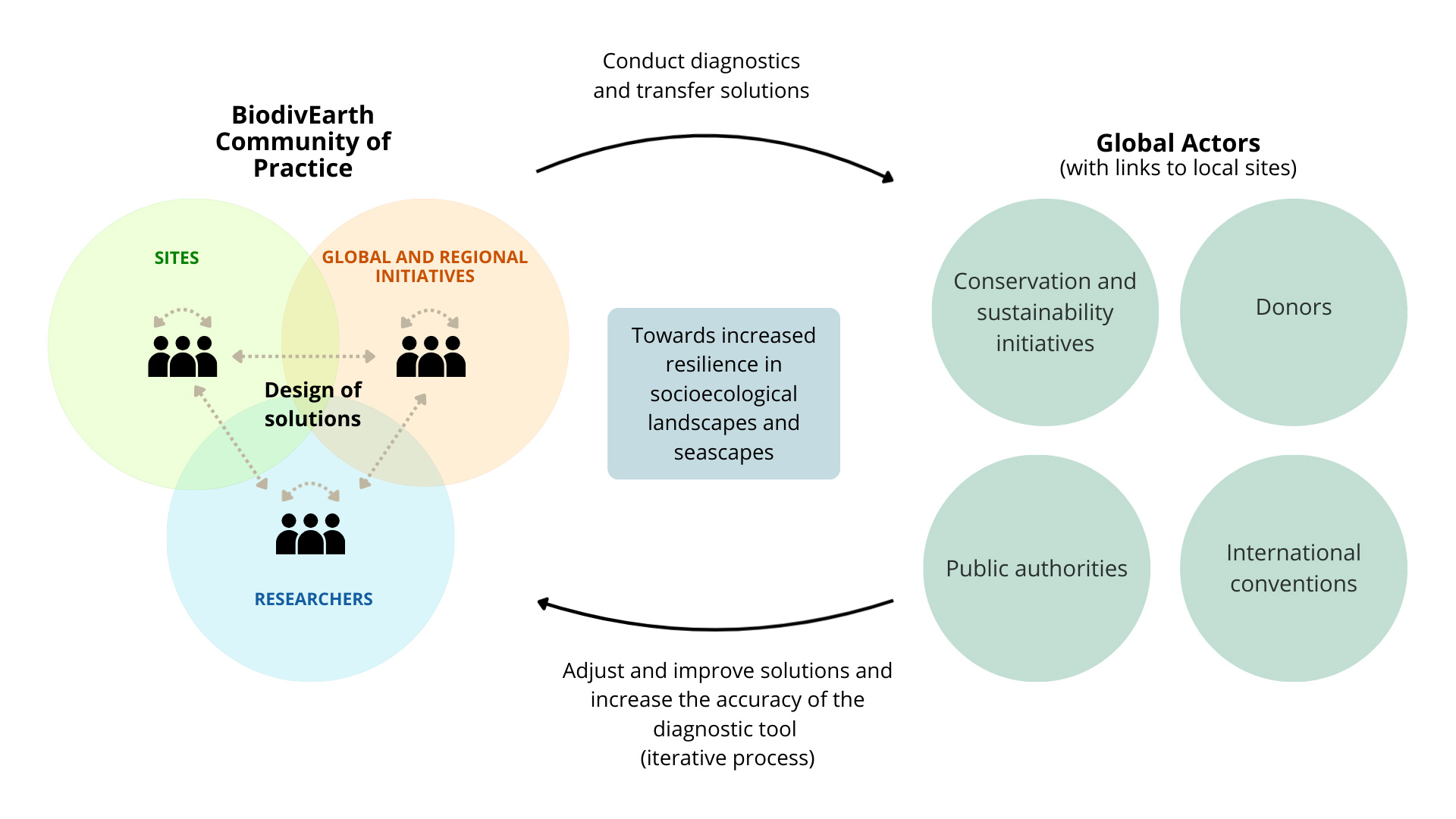
Our approach consists in convening and supporting within a Community of Practice a group of actors with whom we work jointly towards this goal. Together, we seek to understand, diagnose and strengthen resilience for nature and people.
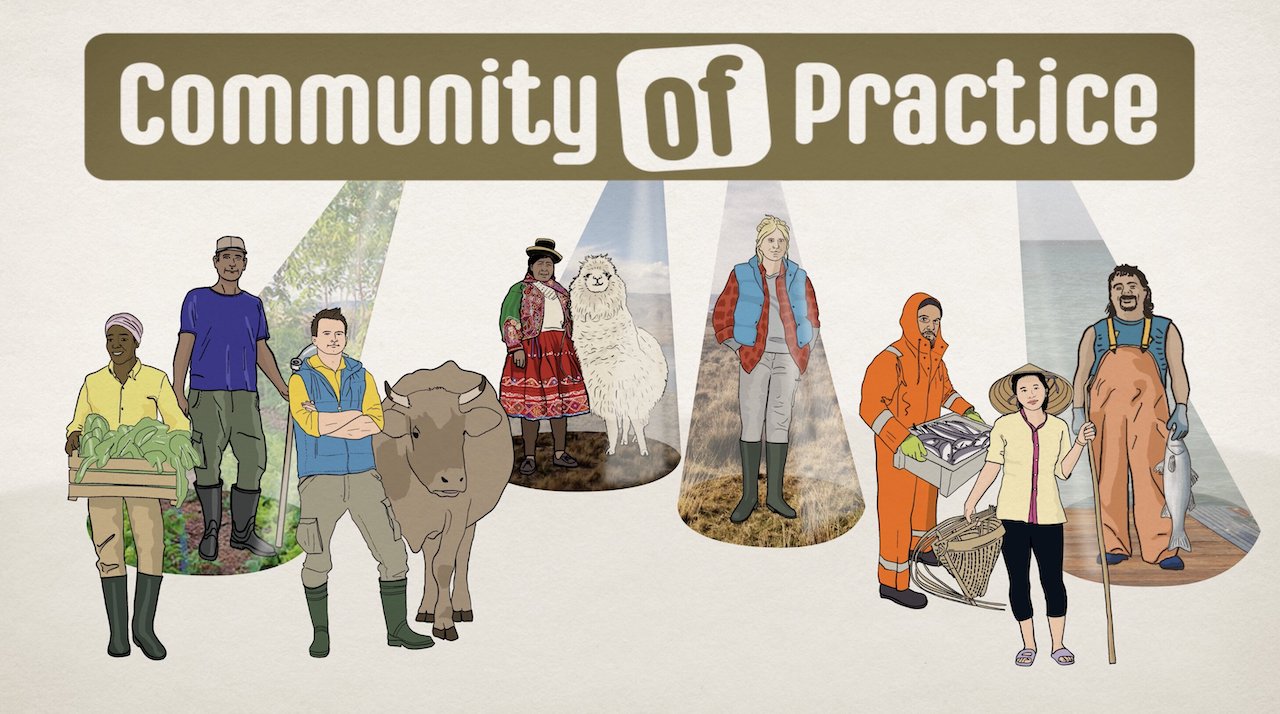
A Community of Practice (CoP) for resilient conservation and resource use
Focus sites: demonstrated resilience in practice
At the heart of this community are focus sites that have shown decades-long success in maintaining biodiversity and ecosystem functions while supporting local socio-economic and cultural dynamics. These sites serve as models of empirically demonstrated resilience. They represent various types of management schemes stewarded by local or Indigenous communities, private landowners, farmers, fishers, protected area managers and institutions. The stewards of the CoP get the opportunity to strengthen resilience in the landscapes or seascapes they manage through peer exchange, collective learning and increased visibility. This core group of sites will expand with the addition of new sites across the three current focal regions of the Mediterranean, Macaronesia and Northern Europe, and beyond.
Research collaboration: understanding why it works
Around this core group of focus sites, we have organised a collaborative of researchers who analyse why pilot models have proven so resilient. The collaborative includes researchers with long-standing experience at the pilot sites and researchers with a broader interest in resilience aspects. Together, these researchers develop and apply social, quantitative and system modelling protocols to extract keys of resilience from the various sites. Insights from this research will help diagnose and improve resilience, both within the CoP sites and in other sites worldwide.
Global and regional actors: accelerating uptake
The CoP includes a third type of member: global and regional conservation actors who connect the community with a larger set of conservation stakeholders to accelerate uptake from CoP’s insights and deliverables. These conservation organisations and initiatives contribute to the community’s dynamic by sourcing and supporting pilot sites or by participating in some components of the research. Anchoring of global and regional conservation actors in the Community of practice serves as a powerful lever for scaling it globally.
How we work
In close collaboration with local stewards, we foster participatory and bottom-up approaches. We don’t seek to convince local communities to adopt our vision – they already embody it.
By learning from their knowledge and wisdom, we work alongside them to understand the foundations of their success, and share these insights to strengthen resilience in socioecological landscapes and seascapes worldwide.
Our method

1. Convene
- Catalyse peer exchange and collective learning through a Community of Practice that brings together focus sites, conservation initiatives, and researchers

2. Understand
- Extract the key factors of resilience from analysing the successful management schemes of focus sites
- Develop dynamic models to allow local practitioners to support resilience in their sites

3. Accelerate
- Disseminate insights and deliverables of the Community of Practice
- Diagnose and improve resilience within the sites of the Community of Practice and in other sites worldwide
Collaborations within the CoP and with external actors
Explore the project in 3 minutes
Focus sites and their management models
A growing set of socio-ecological landscapes and seascapes that have demonstrated long-term resilience through diverse management approaches.
Our achievements so far
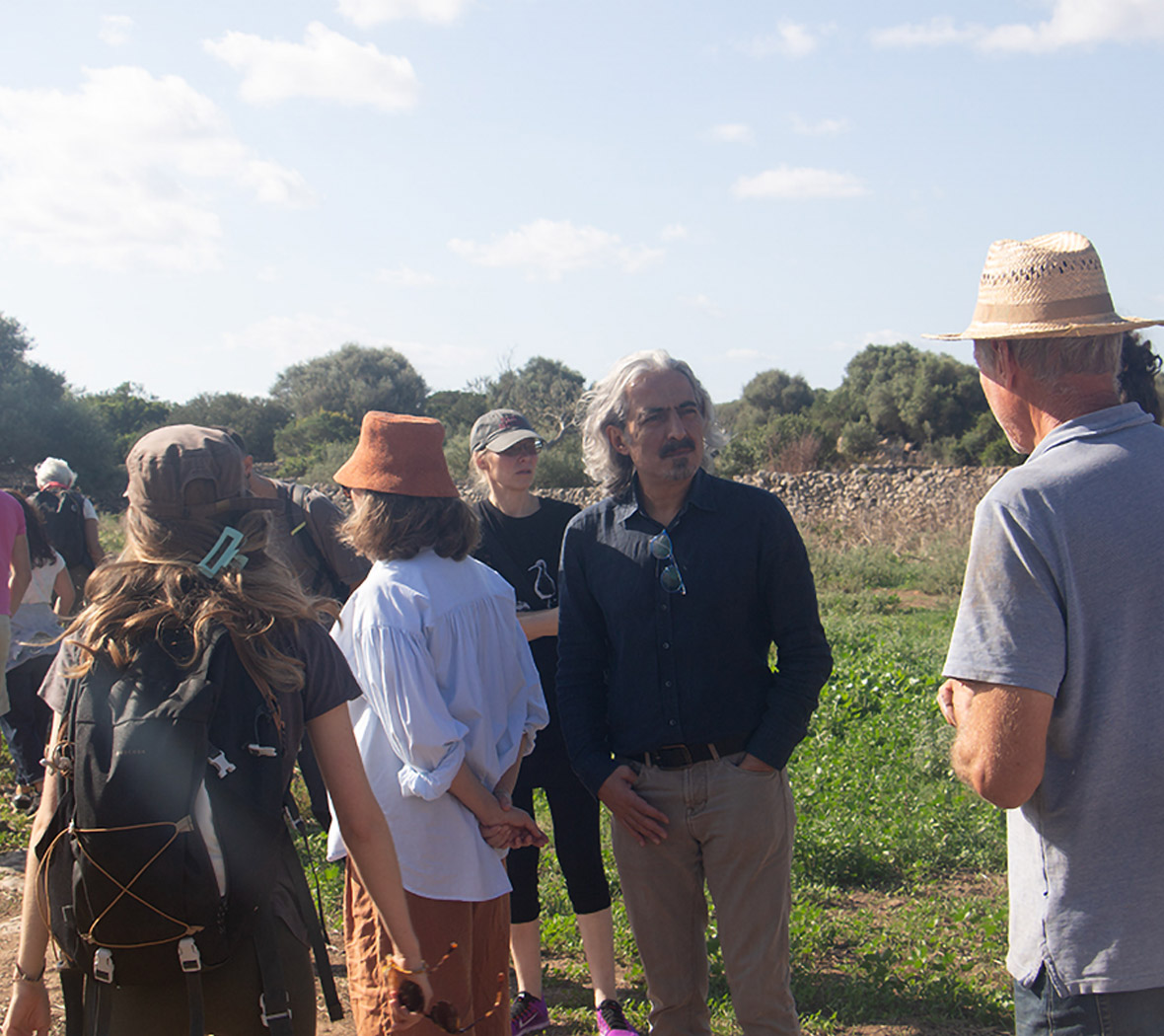
Field visit during the first in-person meeting of the CoP
Community of Practice
- 18 partner organisations engaged to date, including stewards of pilot sites, researchers, and regional and global conservation initiatives
- Five pilot sites onboarded
- Three online workshops held to co-design project activities, in December 2024 and January and February 2025
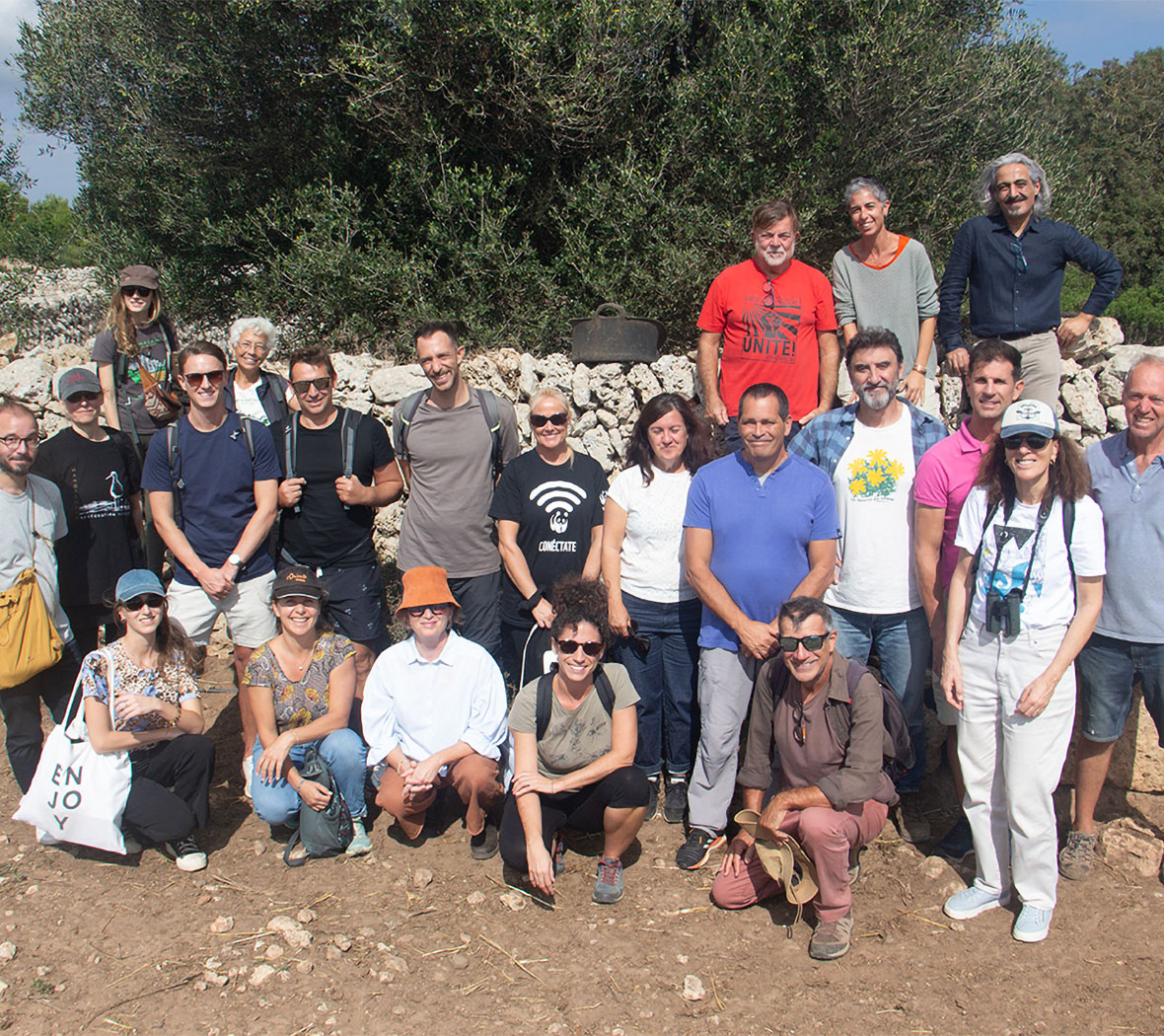
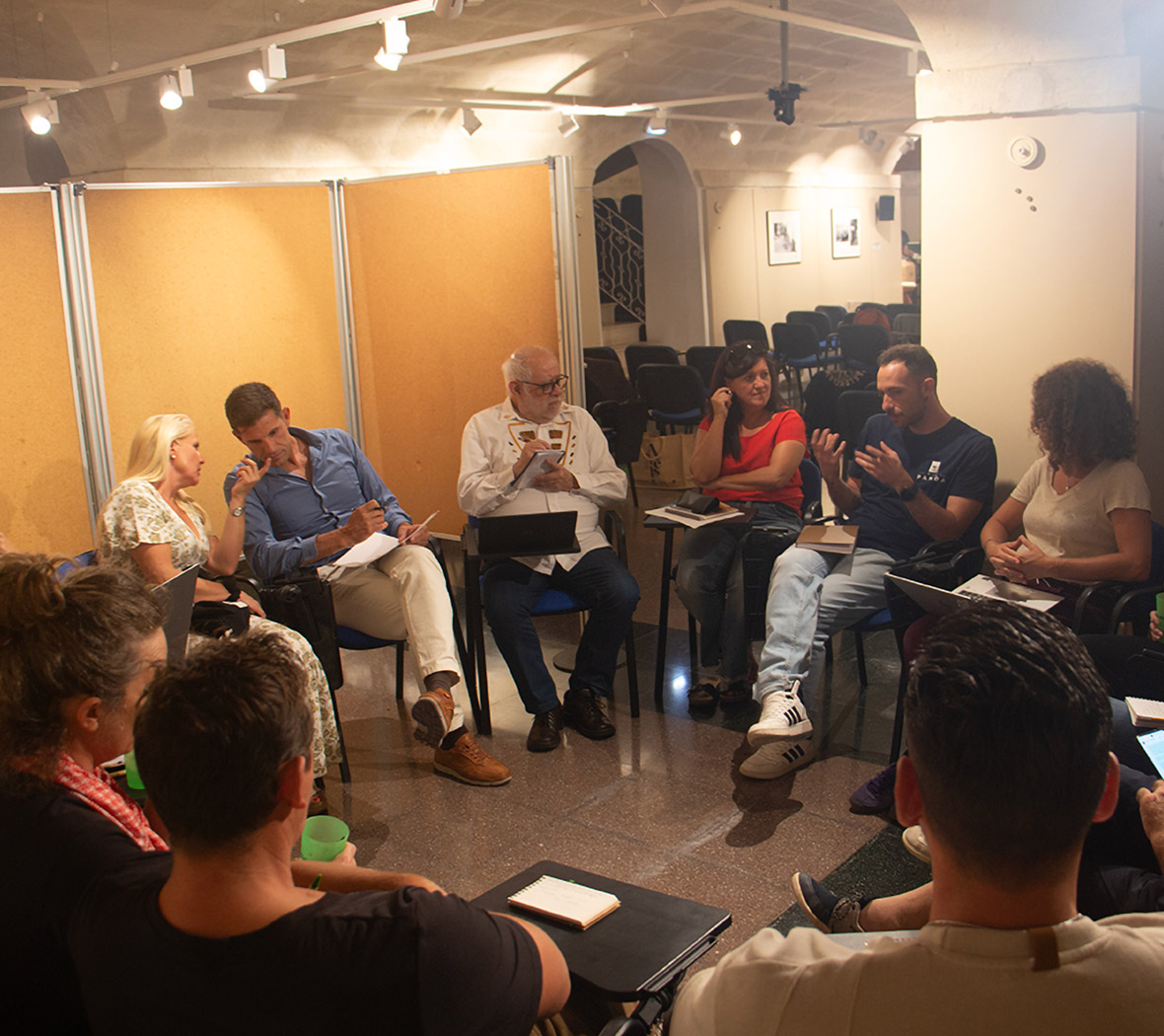
- First in-person meeting of the CoP to kick off project implementation locally, in September 2025
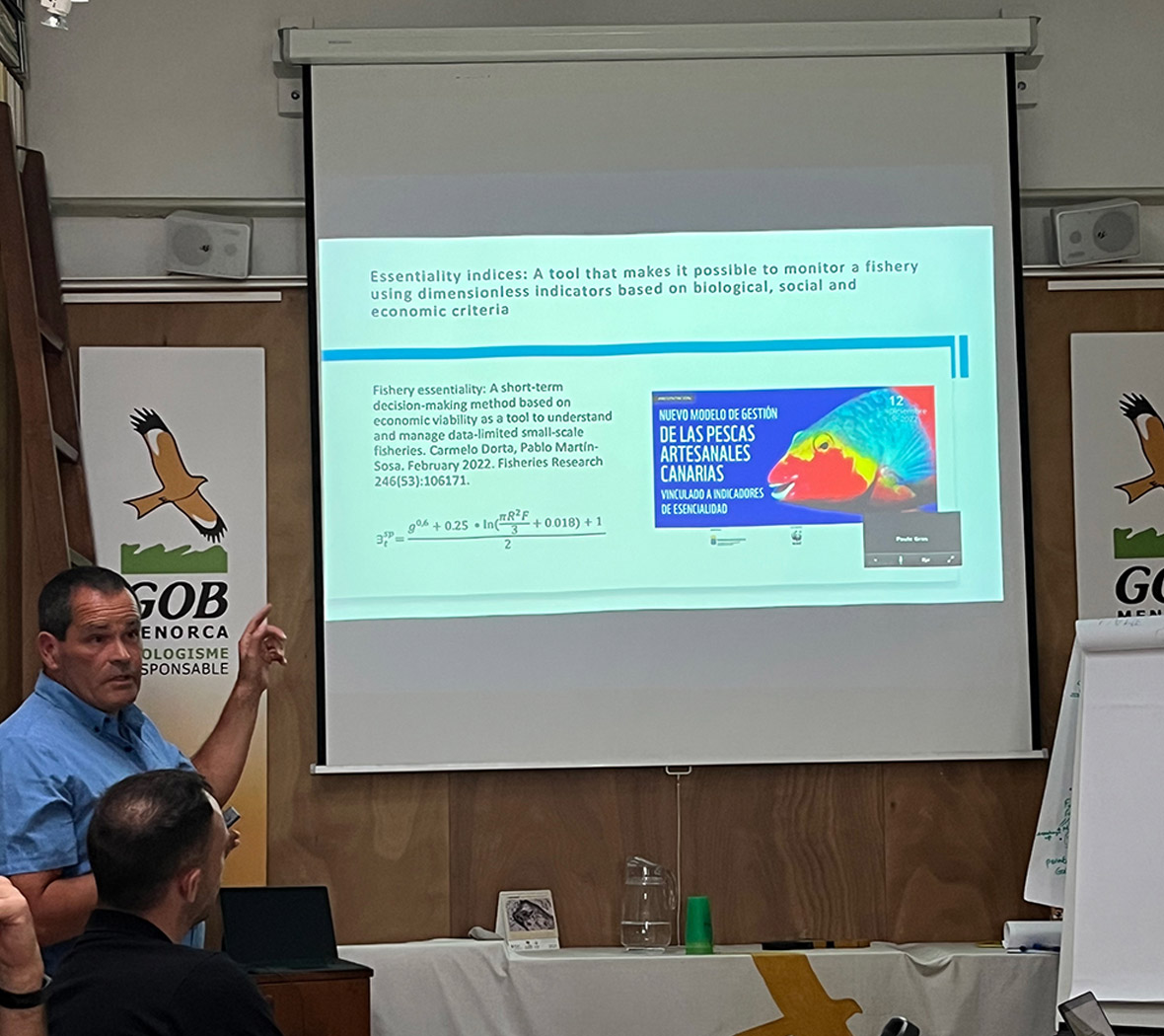
- Second CoP meeting in El Hierro in February 2026 to reach consensus on the research protocol and start capturing lessons learned
- Identification of factors of resilient Management started at pilot sites
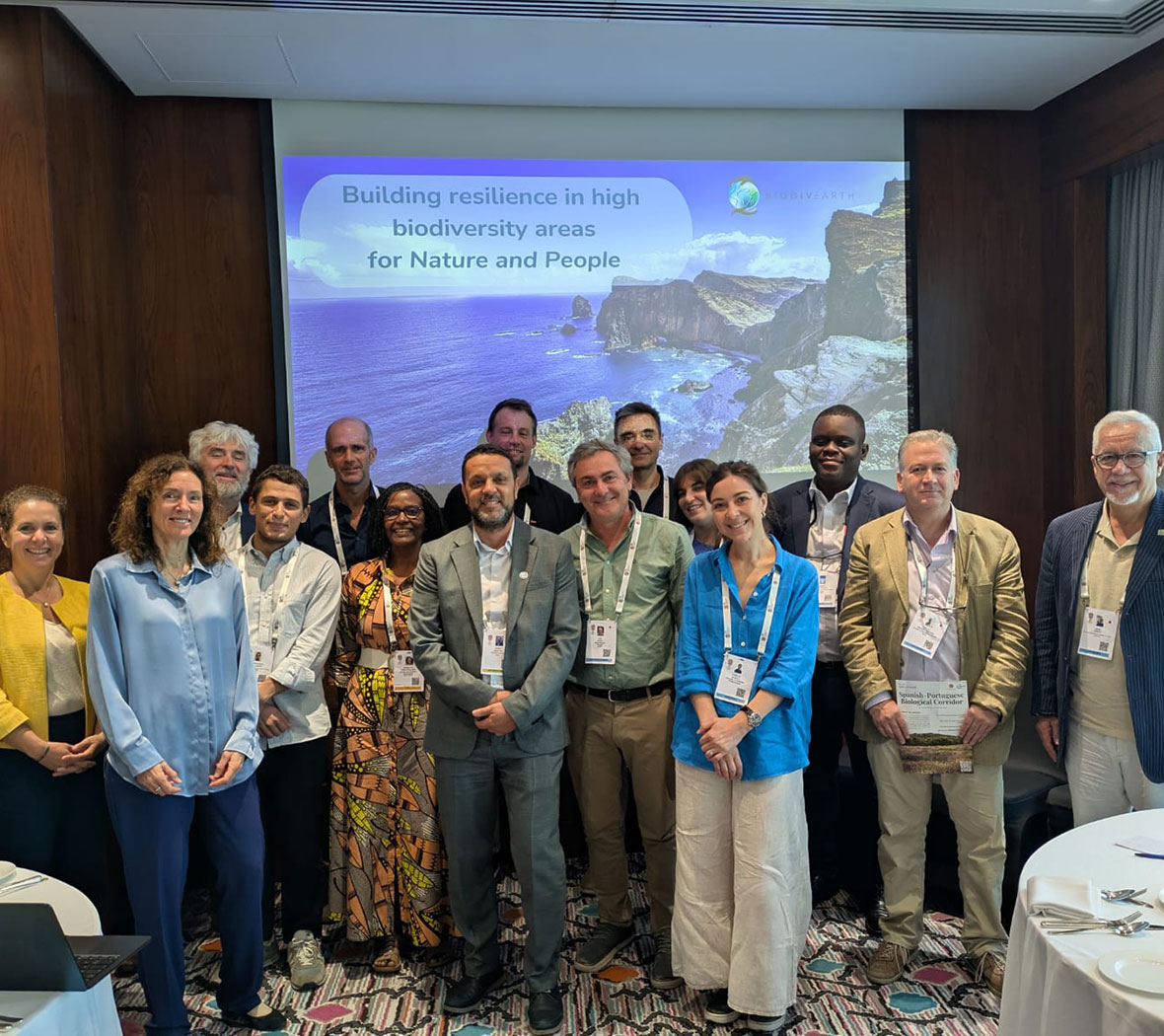
BiodivEarth side event at the World Conservation Congress 2025
Representation
- Participation in key global events in 2025: 3rd UN Ocean Conference (UNOC Nice), IUCN World Conservation Congress (Abu Dhabi), Convention on Biological Diversity’s meeting of Subsidiary body (Panama)
- BiodivEarth became a member of the International Partnership for the Satoyama Initiative (IPSI) and participates in its activities and events
Next steps in Phase 1
Until August 2026
- Complete the identification of resilience factors in Management models
- Expand the CoP through the selection of 5-10 research sites from various parts of the world in addition to the pilot sites
- Facilitate exchange of know-how and development of solutions through CoP meetings
- Analyse keys of resilience in management models
- Secure funding for Phase 2
Expected outcomes of Phase 1
end of August 2026
- The CoP is operational, active, funded, and visible
- A range of solutions towards increased resilience is derived from know-how and research results
- First lessons learned captured
- The resilience of Management schemes at pilot sites is reinforced through exchange of know-how and integration of research results
- The analysis of keys of resilience is completed, allowing for the development of a diagnostic tool in phase 2 of the project
What will come in Phase 2
September 2026 – August 2029
- Grow the Community of Practice by welcoming more sites from the current focal regions (Mediterranean, Macaronesia and Northern Europe), and by opening the CoP to other regions of the world and to different types and level of management (including less advanced sites). This expansion of the CoP will seek to deepen shared knowledge, enrich collaborations, and accelerate the spread of learnings
- Develop a diagnostic tool based on the results of analyses on keys of resilience and the consolidation of the knowledge and know-how extracted in Phase 1
- Spread the use of the diagnostic tool to identify gaps in resilience and recommend solutions within and beyond the CoP through in-house expertise and collaboration with conservation initiatives and donors
- Develop a financing model based on the services provided by the diagnostic tool