A locally driven marine reserve
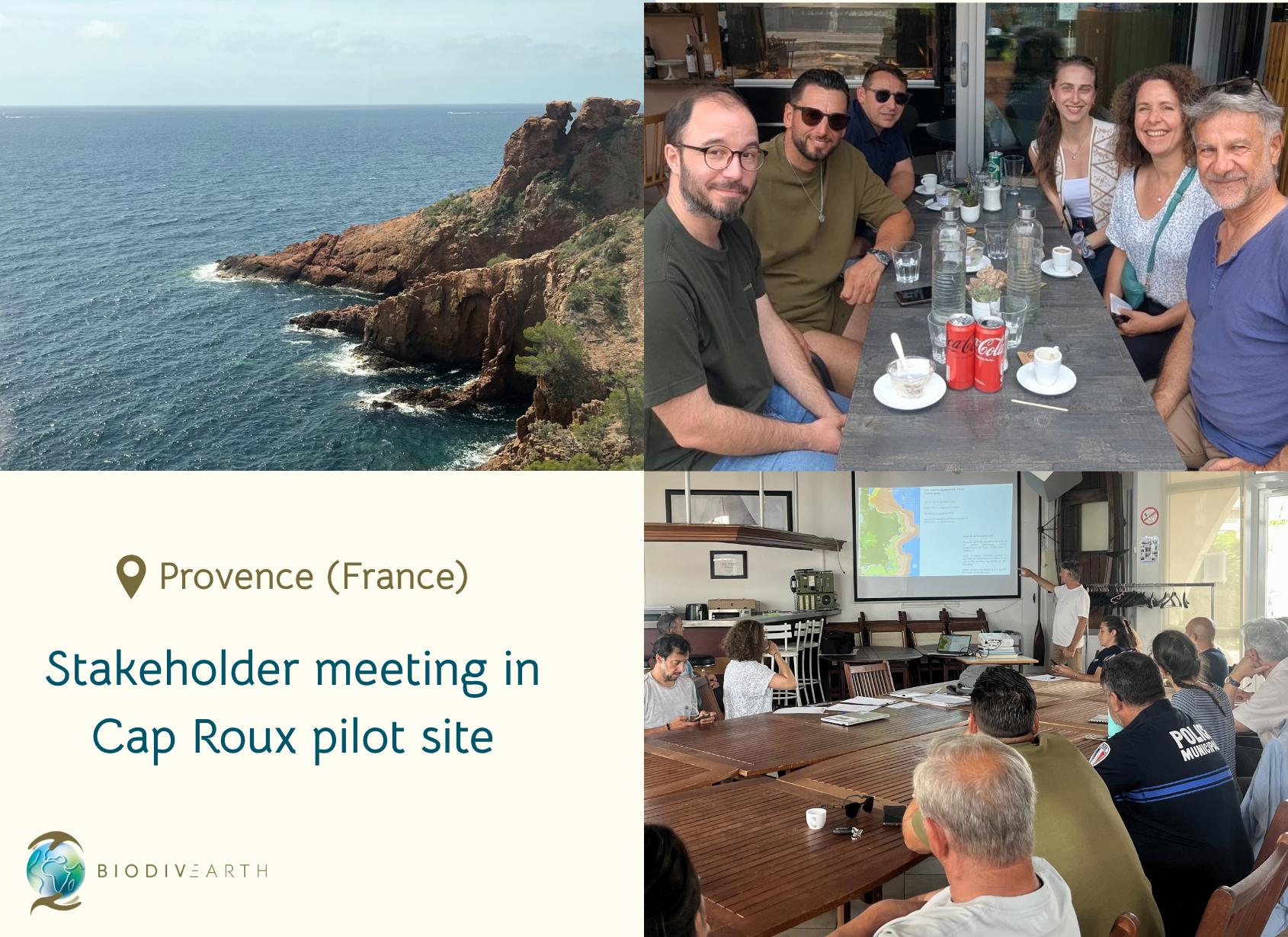
On June 4th, BiodivEarth co-organised with the municipality and the fishing sector governance body of the city of Saint Raphaël (Provence) a stakeholder meeting dedicated to the Cap Roux fishing reserve, which brought together professional fishers, scientists, local authorities, NGOs and maritime enforcement services.
Created in 2003 at the initiative of the Prud’homie de pêche de Saint-Raphaël (fishers’ governance body), the Cap Roux reserve is now recognised as a successful example of local marine governance contributing to the preservation of marine habitats and the sustainability of fisheries resources, which is why it was chosen as one of BiodivEarth’s pilot sites. The Prud’homie coordinates actions carried out on the site in partnership with The City of Saint-Raphaël and the Marine Observatory of Estérel Côte d’Azur Agglomération (urban area).
Strengthening dialogue and coordination
The meeting was an opportunity for BiodivEarth to better understand the local dynamics involved in the reserve and engage directly with stakeholders involved in its management, monitoring, and protection. Contributing to the existing processes, it enabled to provide a complementary and dedicated space for dialogue and knowledge exchange around the impact, history, challenges and future of this emblematic Mediterranean marine reserve. BiodivEarth sought particularly to strengthen coordination among local actors, identify synergies with nearby coastal conservation initiatives, and better understand the needs and conditions required to support the long-term resilience and effectiveness of the reserve.
Scientific results and emerging challenges and priorities
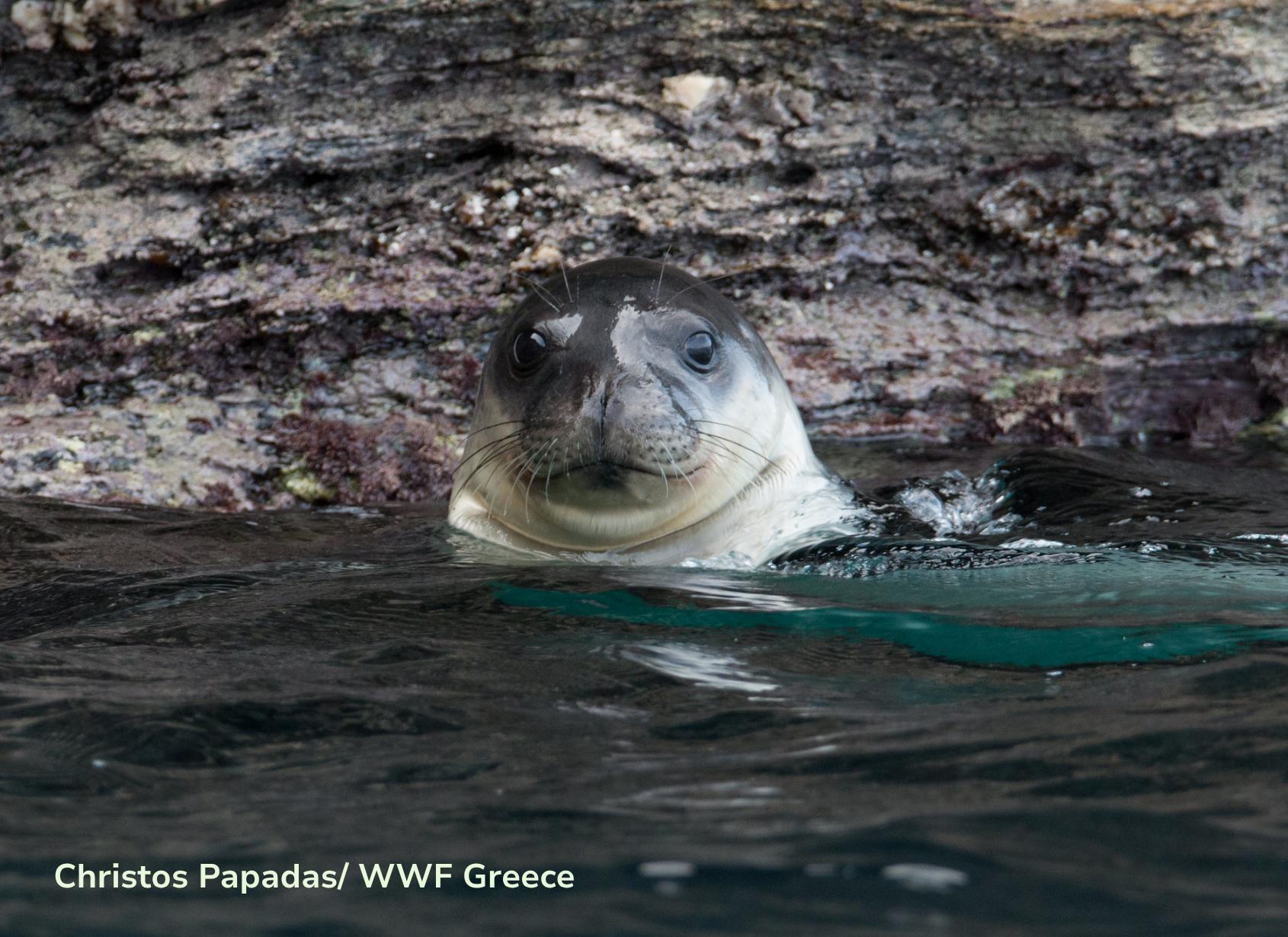
The discussions provided an opportunity to review more than twenty years of management and share recent scientific findings. Monitoring conducted by researchers from Université Côte d’Azur and the Marine Observatory of the urban area (in charge of the Natura 2000 site Estérel in which the Cap Roux marine reserve is included) confirmed a strong “reserve effect” with higher biodiversity, fish abundance, larger individuals and favourable conditions for the reproduction of several Mediterranean species.
Participants also discussed growing pressures affecting the site, including increasing recreational use of the coastline, recreational fishing, and persistent poaching activities. Additionally, several priorities were identified such as strengthening surveillance, improving coordination between actors, enhancing awareness and continuing scientific monitoring and data sharing.
BiodivEarth warmly thanks all participants and partners who contributed to these discussions and shared their experience, knowledge and perspectives throughout the meeting. We look forward to the next steps and to building on this newly launched dynamic of collaboration and exchange!
Discover our article on the extension of the Cap Roux fishing reserve here.