A collective decision to expand the reserve
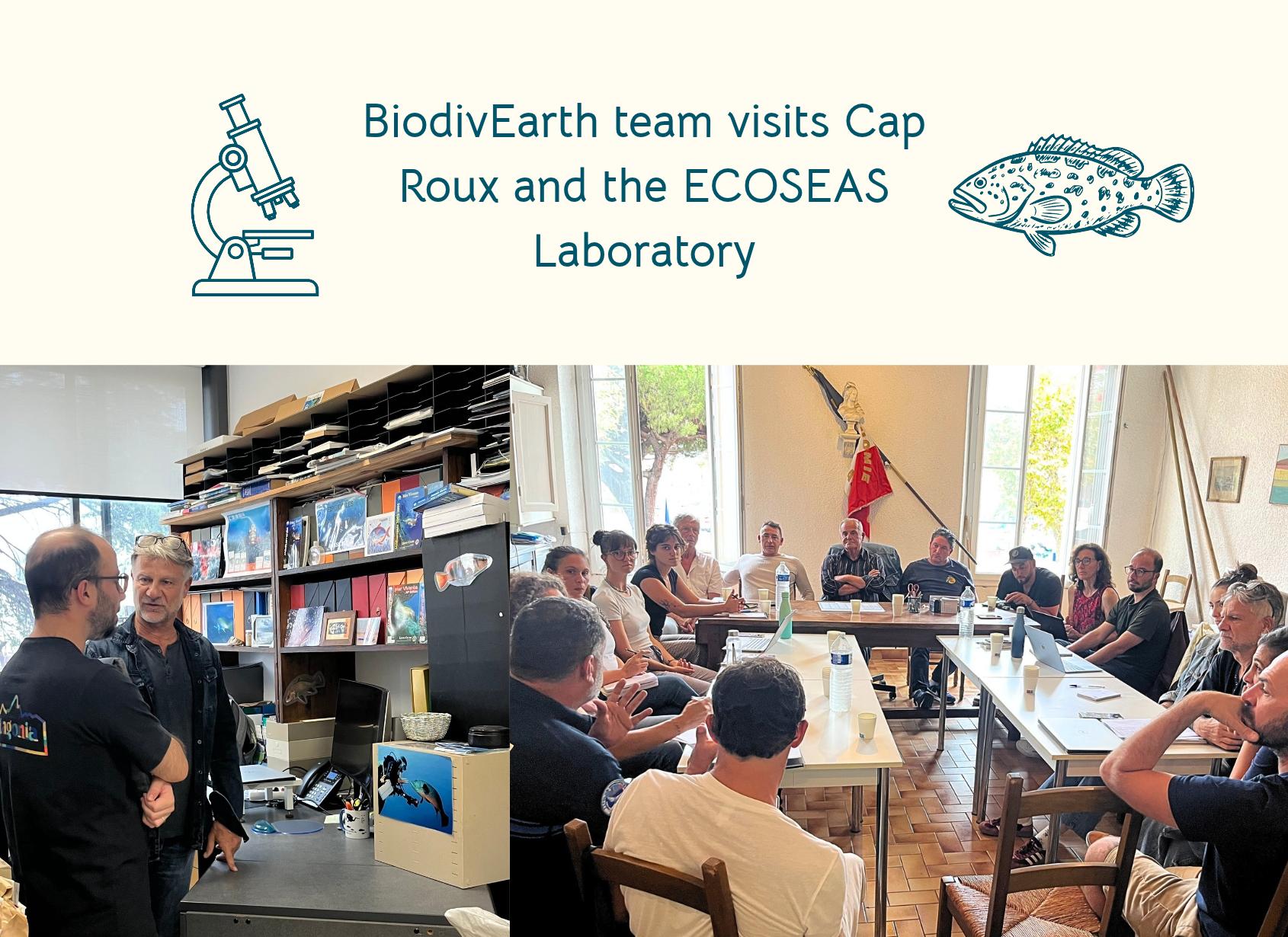
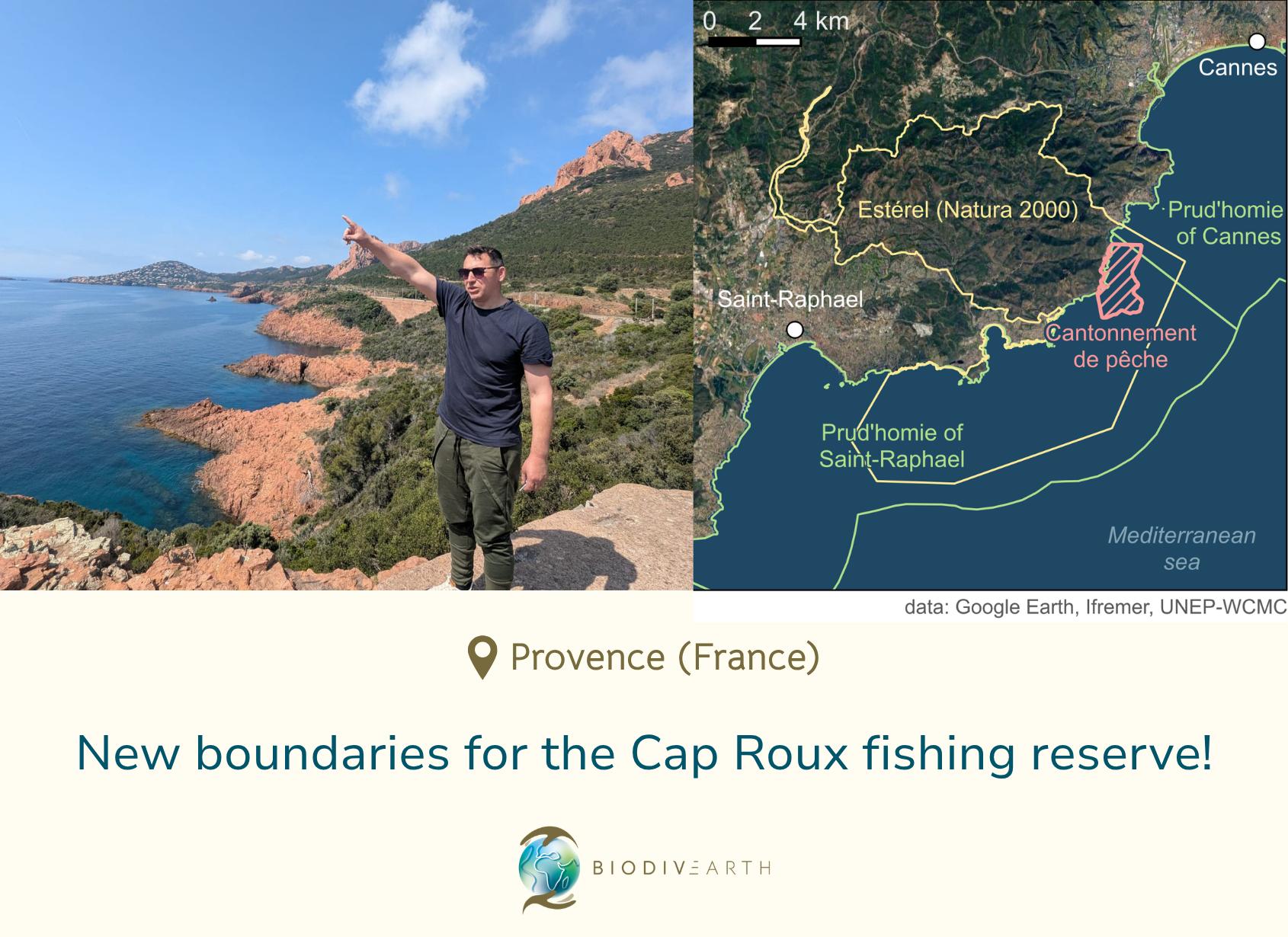
The Cap Roux fishing reserve, one of BiodivEarth’s pilot sites, is evolving. In October 2025, the prud’homie General Assembly approved an extension of its boundaries through a collective initiative carried out in close collaboration with the Prud’homie of Saint-Raphaël, whose fishers play a central role in the reserve’s long-term management. This development serves a dual purpose: strengthening the protection of marine ecosystems while improving the clarity of the reserve boundaries for all users. Actions undertaken within the Cap Roux fishing reserve are jointly led by the Municipality of Saint-Raphaël, the Prud’homie of Saint-Raphaël and the marine observatory of the Estérel Côte d’Azur Agglomeration, reflecting a shared commitment to the long-term stewardship of the site.
A revised perimeter and updated boundaries
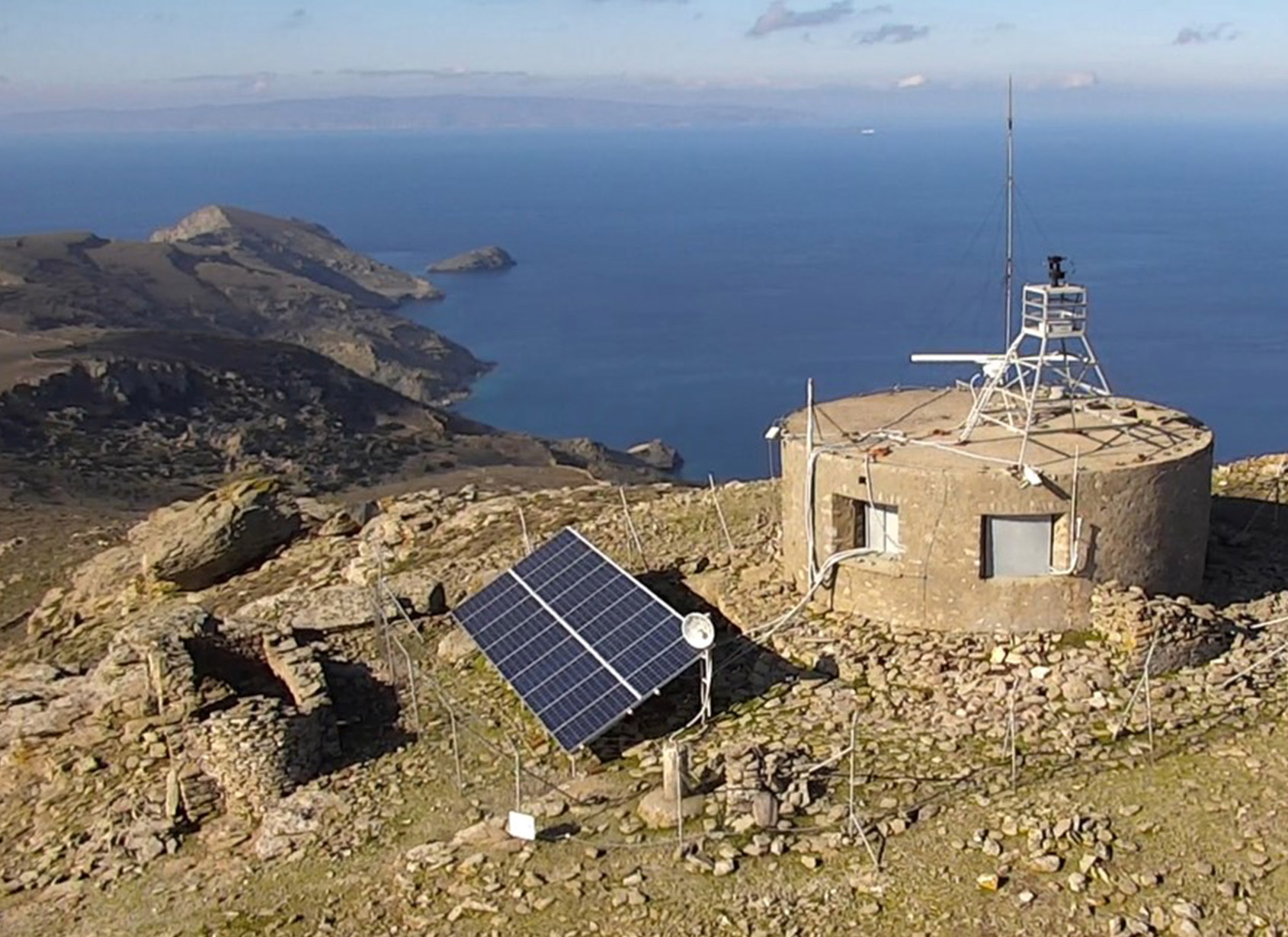
In practical terms, the boundary of the reserve has been adjusted by moving the isobath, which is now set at a depth of 100 metres (compared to 80 metres previously). This change also allows for the clearer inclusion of certain sectors on the edge of the zone, notably the cove and the Pointe de l’Observatoire, a coastal area of the Cap Roux massif. The new boundary has been approved by maritime authorities. With this adjustment, the area of the restricted zone now covers approximately 450 hectares, an increase of 5 hectares. A measured change, which strengthens the consistency of the system and makes the rules easier to understand on the ground. Signage will be updated by the local authority to support this change and make it easier for users to understand. Thanks to the updated perimeter extension, the nearby semaphore can now also support surveillance of the site by detecting infringements and pass on the information to the relevant authorities if necessary.
A pilot site for understanding marine ecosystem resilience
As part of BiodivEarth, Cap Roux serves as a key study site for better understanding the resilience of marine ecosystems in the face of human pressures. It allows long-term observation of how environments respond to protection measures developed in consultation with local stakeholders. This decision illustrates a collective, ground-based approach designed to reconcile biodiversity conservation with the human activities that depend on it.
BiodivEarth welcomes this new milestone and will follow its effects over time, in order to better understand this type of management model and draw lessons for strengthening the resilience in other socio-ecological land and seascapes in the future.