Discovering Xinshe Village: a research site within BiodivEarth’s Community of Practice
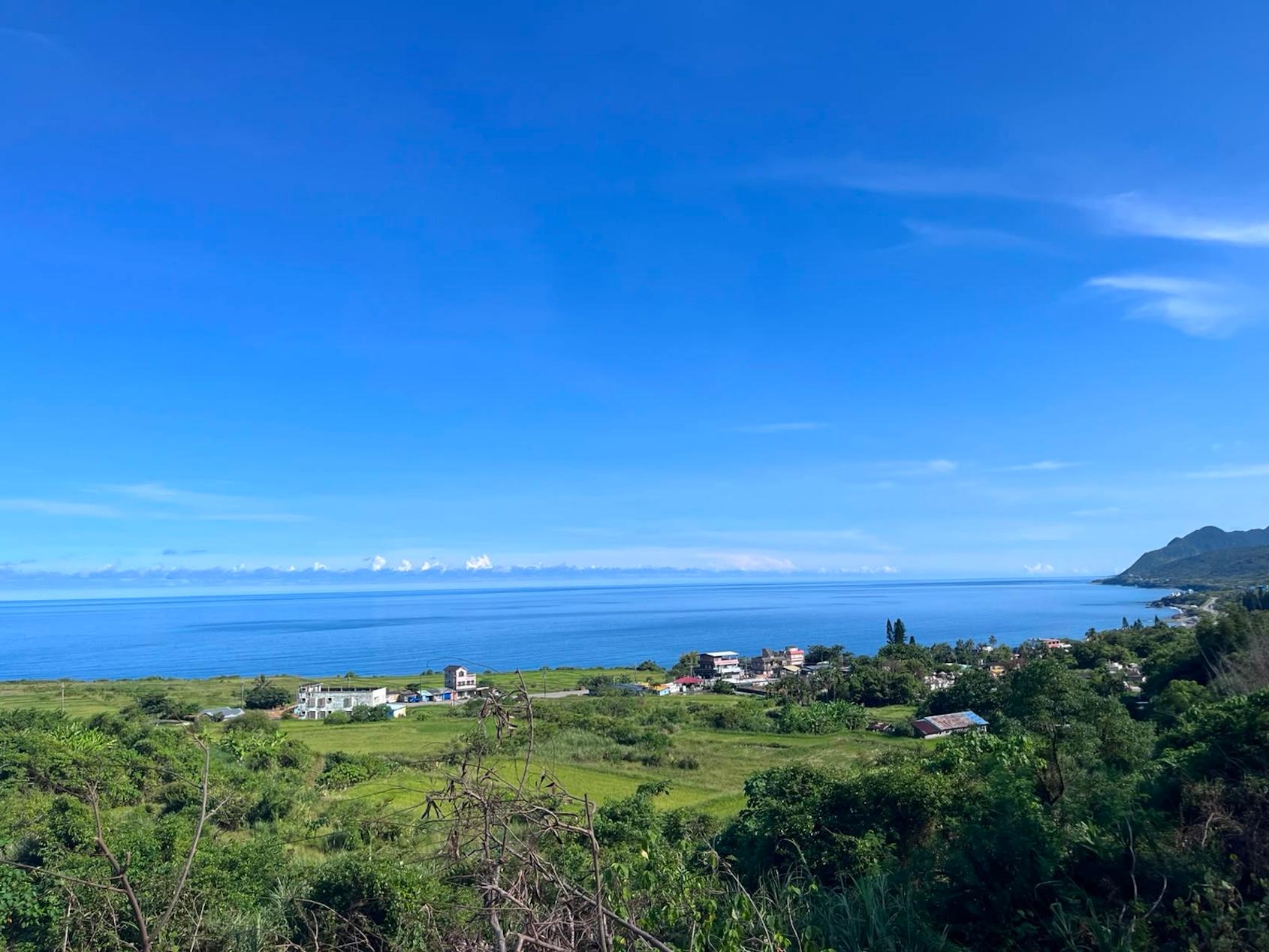
This week, our postdoctoral researcher, Jonathan, visited Xinshe Village (Hualien County, Taiwan), a research site within BiodivEarth’s Community of Practice, where local stewards contribute their knowledge and experiences to our research, helping us better understand what makes socio-ecological landscapes and seascapes resilient.
Home to the Indigenous Amis Fuxing and Kavalan Xinshe peoples, Xinshe is an inspiring example of how people and nature can thrive together through an integrated landscape and seascape approach. Since 2016, residents have been working alongside universities, government agencies and other partners to strengthen the resilience in their socio-ecological landscape and seascape by building on traditional farming, fishing, foraging, hunting and community-based stewardship.
A celebration of culture, knowledge, and community
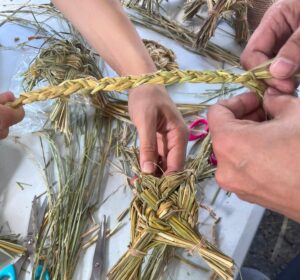
During his visit, Jonathan was warmly welcomed by the Xinshe community and invited to take part in their annual Harvest Festival, their most important celebration. Through workshops, shared meals, songs, and cultural activities, the festival brought together community members and partners to celebrate local traditions, knowledge, and the relationships between people and their territory across generations.
Building resilience through relationships and collaboration
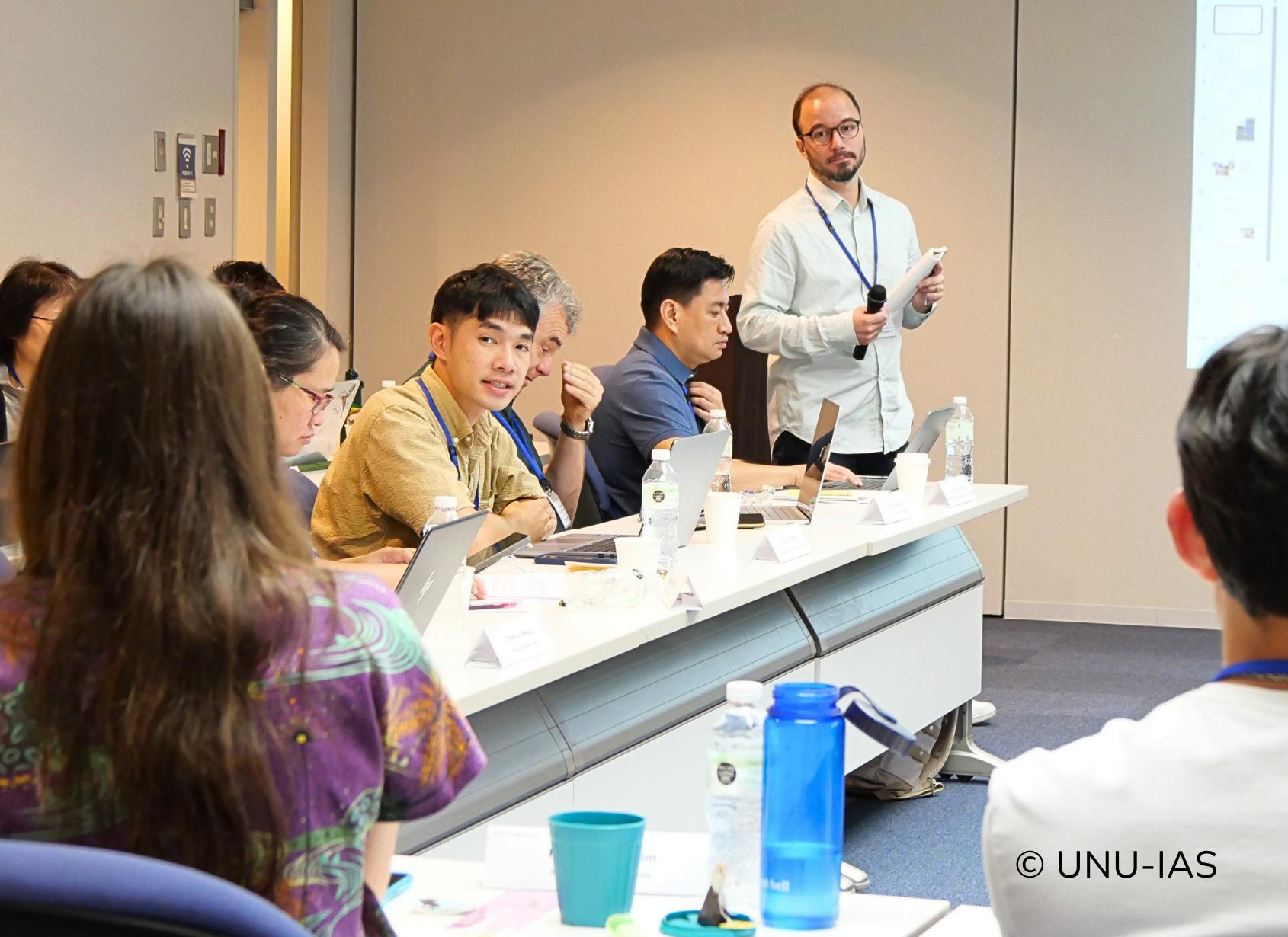
The festival also gave Jonathan the opportunity to witness the strong relationships that underpin Xinshe’s work. Together with Paulina Karim from SCAPES Lab at National Dong Hwa University and other long-standing partners, the community has built a strong foundation of trust and collaboration, which is central to the site’s integrated landscape and seascape approach.
Beyond experiencing this special event, community members were excited to learn about BiodivEarth’s work and how we are collaborating with communities across different regions of the world to better understand what makes socio-ecological landscapes and seascapes resilient. These exchanges remind us that our work is about building relationships, learning from local communities and strengthening the connections that make collaborative research meaningful.
For the Xinshe community, learning that similar work is taking place in other parts of the world created a meaningful sense of solidarity and connectedness. Sharing experiences between communities (within Taiwan and internationally) creates opportunities to learn from one another, as every landscape and seascape faces its own challenges while offering valuable lessons.
A meaningful exchange in Xinshe Village
A heartfelt thank you to the Xinshe community and to Paulina from National Dong Hwa University for their incredibly warm welcome, their hospitality and for making this visit possible. We are grateful to be learning alongside you.