Gyaros, a remote island in the Cyclades (Greece) is one of the five pilot sites in BiodivEarth’s project “Building resilience in high biodiversity areas for nature and people“. Its story brings together a complex human history, ecological recovery and long-standing conservation efforts, offering an interesting perspective on Gyaros resilience.
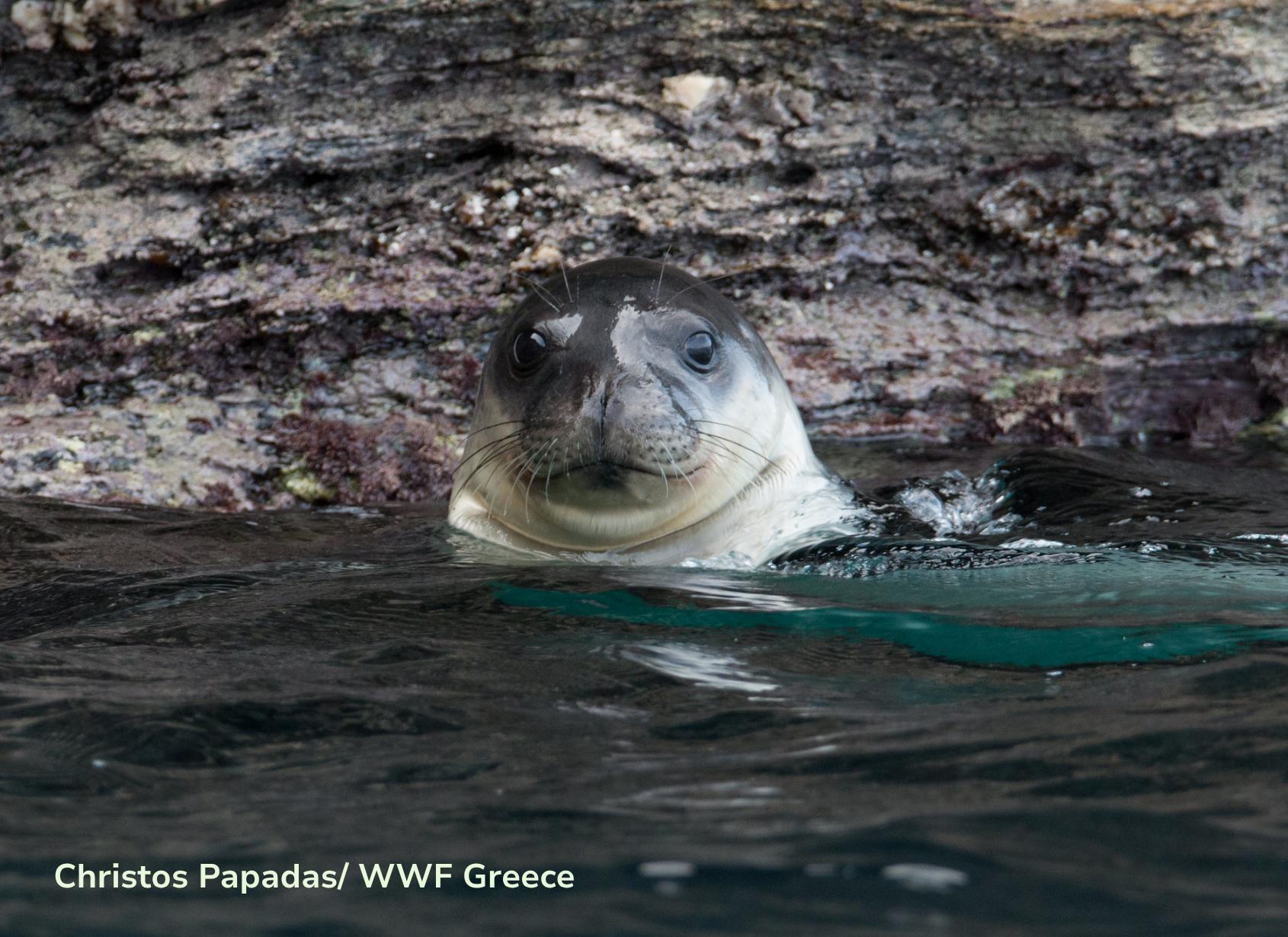
Once used as a place of political exile and imprisonment, Gyaros was largely inaccessible for decades. With limited human activity, its ecosystems had space to recover and the island and its surrounding waters have become an important refuge for Mediterranean monk seals and other marine species.
A recent article in BBC Future explores Gyaros’s history and the wildlife that now thrives on and around the island. It also features perspectives from Spyros Kotomatas (WWF Greece) and Dimitrios Damalas (HCMR – Institute of Oceanography), two collaborators we work with through our Community of Practice, who bring their knowledge of the island and its natural heritage to the story.
Gyaros resilience: from ecological recovery to long-term care
Gyaros illustrates an important aspect of ecological resilience: when human pressures are reduced, ecosystems can have the opportunity to recover and create favourable conditions for wildlife. But the story of Gyaros goes beyond ecological recovery.
The island continues to carry the memory of its difficult past, while its natural heritage is increasingly recognised and protected. Its story shows how resilience can be shaped both by the ability of ecosystems to recover and by the ways in which people relate to and care for a place over time.
Through our work across the five pilot sites, we are exploring what contributes to resilience in socioecological landscapes and seascapes, for both nature and people.