From resilience monitoring and regenerative agriculture to corporate investment in biodiversity action and landscape governance, BiodivEarth took part in a range of discussions at the 17th Conference of the Parties to the Convention on Biological Diversity (CBD COP17) in Yerevan, Armenia. As countries reviewed progress towards the Kunming-Montreal Global Biodiversity Framework and adopted the Yerevan Pathway to accelerate its implementation, these exchanges offered an opportunity to reflect on how global commitments can translate into action on the ground and how nature positive actions can be integrated and monitored to make a global difference.
Bringing local perspectives into global discussions
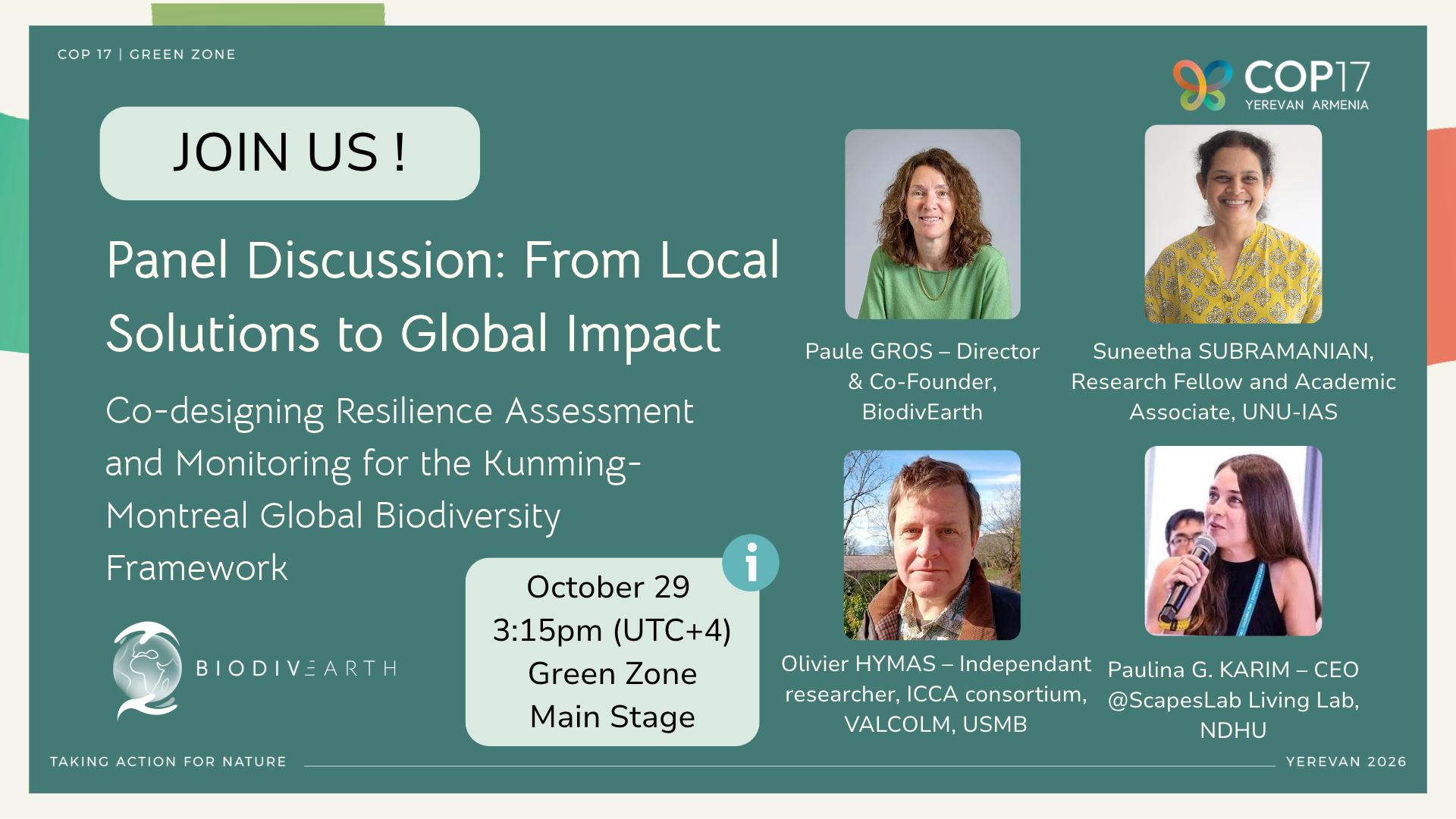
A central part of BiodivEarth’s participation was co-leading two side events with the United Nations University Institute for the Advanced Study of Sustainability (UNU-IAS). The first, “Community of Practice Approaches to Increase Resilience for the Kunming-Montreal Global Biodiversity Framework”, took place at the IUCN Pavilion in the negotiation zone “Blue Zone” (click here to watch the recording of the event, which starts at 2:30:00). The second, “From Local Solutions to Global Impact: Co-designing Resilience Assessment and Monitoring for the Kunming-Montreal Global Biodiversity Framework”, was held in the Green Zone.
Both sessions explored how resilience can be assessed and monitored in ways that reflect local realities and contribute to the implementation of the Kunming-Montreal Global Biodiversity Framework. The discussions connected closely with several of the framework’s priorities, including integrated landscape management, effective conservation, climate resilience and the recognition of local knowledge and participation in decision-making.
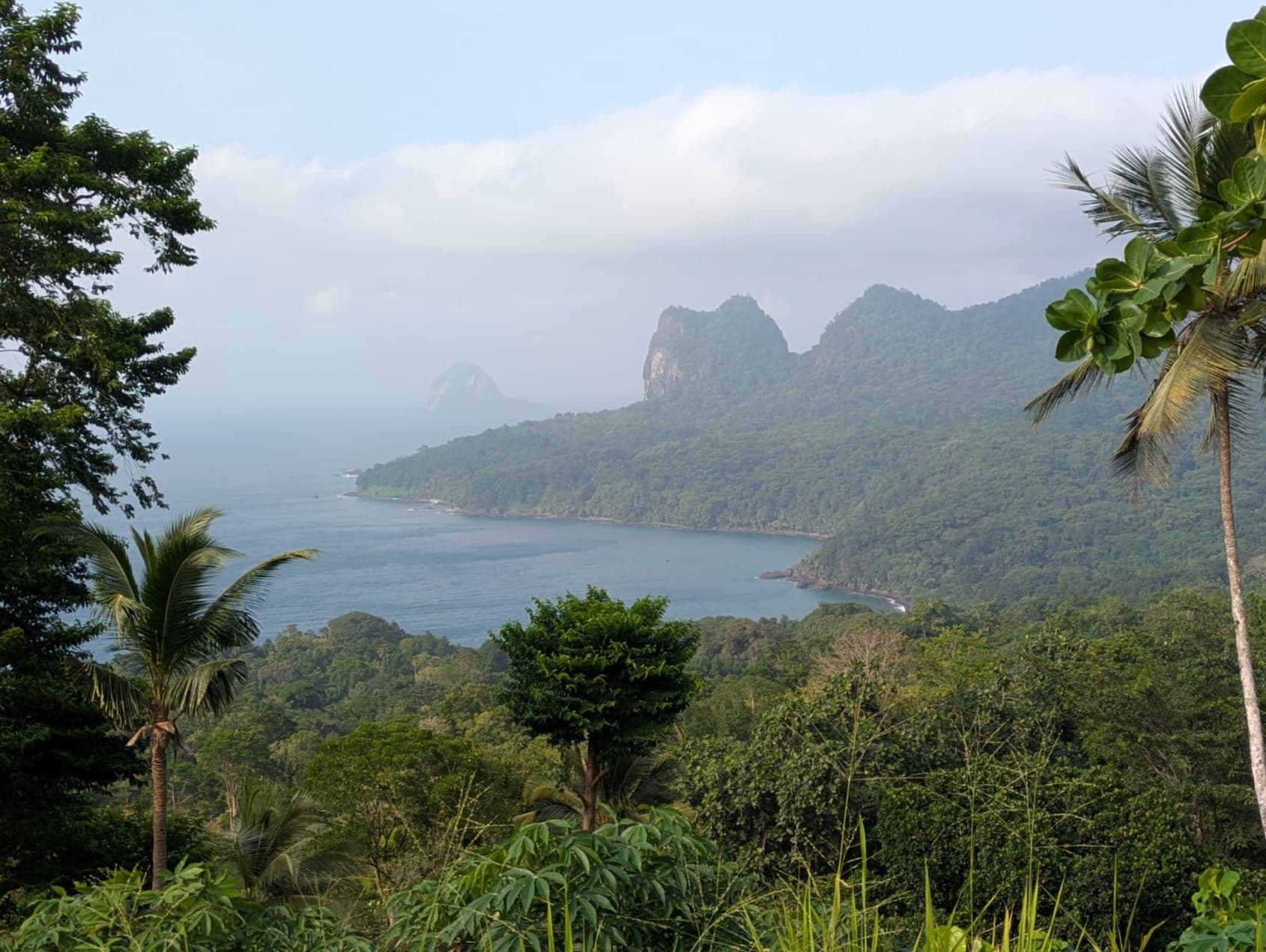
Drawing on the experience of ScapesLab with the Xinshe Socio-Ecological Production Landscape and Seascape (SEPLS) in Taiwan, alongside contributions from IUCN and the ICCA Consortium Europe, speakers discussed the importance of indicators that go beyond ecological data to include social, cultural and governance dimensions.
The exchanges also highlighted that monitoring should not be limited to measuring change. When developed with local communities and grounded in Indigenous and local knowledge, indicators can support learning, adaptive management and decisions that respond to local priorities.
Connecting landscape initiatives and sources of support
BiodivEarth also took part in a CGIAR Pavilion discussion on “Setting Up a Platform to Catalyze Interactions and Synergies Between Various Initiatives That Focus on Landscape Approaches”. The exchange explored the potential for a platform to connect existing initiatives working across landscapes and seascapes, helping them share knowledge, methods, indicators and experiences, avoid duplication and strengthen their collective impact. BiodivEarth was invited to participate in this initiative.
BiodivEarth also participated in a closed-door roundtable organised by Rio Changemakers. The discussion explored ways to connect investors, funds and public institutions with locally led projects, helping bridge the gap between available finance and the needs of initiatives on the ground. A distinctive feature of this initiative is its use of AI, which could help accelerate progress towards its objectives. These exchanges offered an opportunity to learn about networks and approaches that could be relevant to future knowledge-sharing and collaboration. BiodivEarth also discussed possible next steps with the team.
Recognising the conditions behind successful governance
At the CGIAR Pavilion, BiodivEarth also attended as panellist in “Towards Understanding the True Cost of Governance in Integrated Landscape Approaches”, a session hosted by UNU-IAS. The discussion examined the often-overlooked costs of governance in integrated landscape approaches. Coordination, facilitation, conflict management and inclusive decision-making all require time, skills and financial resources, yet these aspects are not always adequately reflected in project budgets.
The session highlighted that good governance is not simply an administrative layer: it helps build trust, prevent conflicts and support more coherent action over time. Recognising and financing these processes is therefore essential to sustaining integrated approaches.
BiodivEarth also contributed as a panellist to the official event “Funding for Sustainable Landscape Governance”. Drawing on the first assessment of the costs of governance across 30 landscapes and seascapes, the discussion addressed how to make the contributions and effects of governance more visible, and how to monitor them over time. This is an important step towards demonstrating its value to funders and building their confidence to invest in governance. As a thread running through all aspects of integrated landscape approaches, governance deserves greater recognition and more concrete ways of assessing its contribution to lasting outcomes.
Highlighting women’s leadership in conservation
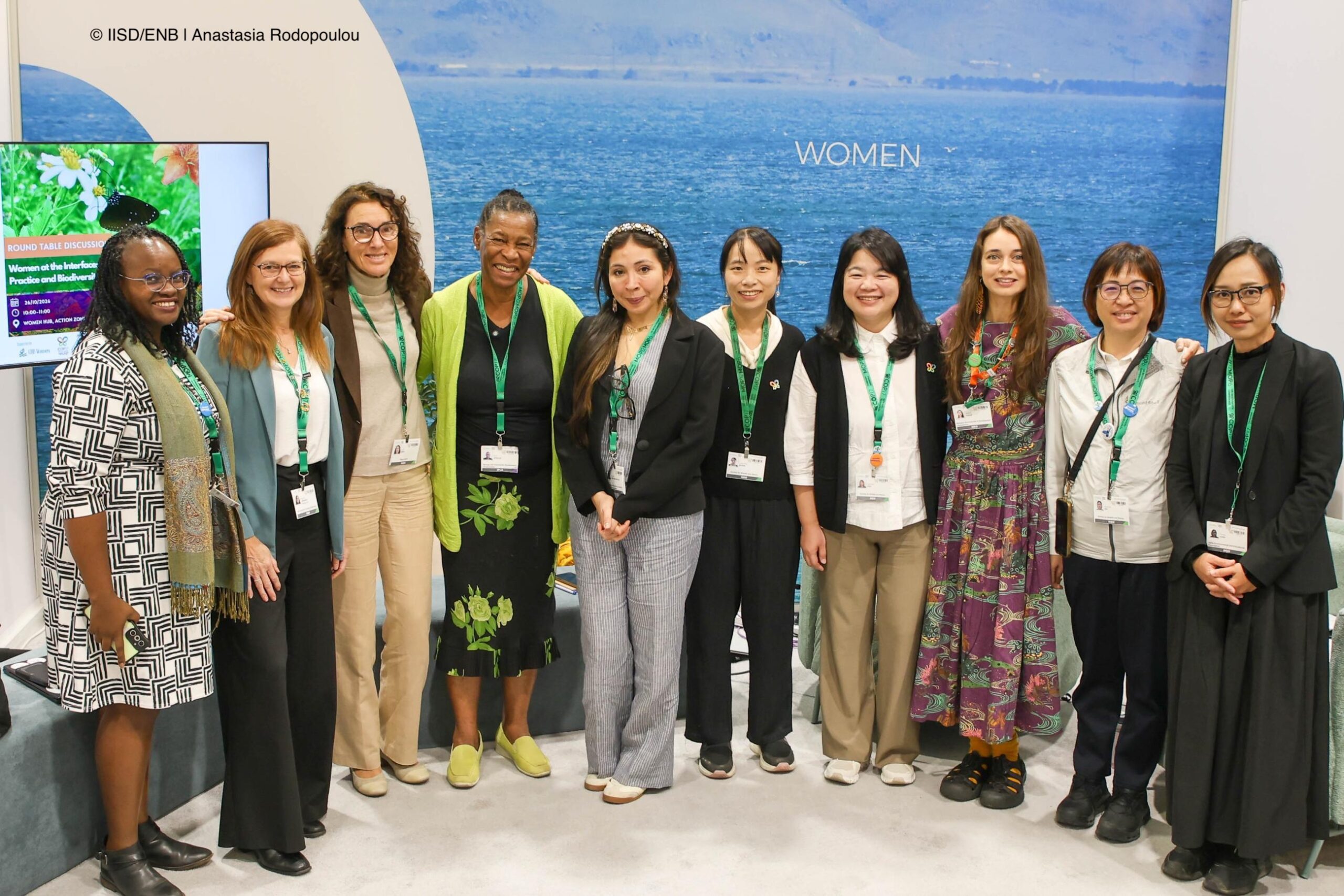
BiodivEarth also took part in “Women at the Interfaces: Connecting Knowledge, Practice, and Biodiversity Governance”, held at the CBD Women’s Caucus Hub. The event was grounded in the personal experiences of the women on the panel, bringing their individual perspectives and stories into the discussion. Paule, our CEO & director, shared reflections on women’s contributions to biodiversity conservation and the barriers that continue to limit their leadership and participation.
Bringing together perspectives from science, Indigenous leadership, local communities and conservation practice, the discussion explored how women’s knowledge and contributions can be better recognised, including in biodiversity decision-making and finance. We shared more about this exchange in a dedicated article on women’s leadership and biodiversity at CBD COP17.
Continuing the conversation
Across the different events, a common thread emerged: lasting progress for biodiversity depends not only on ecological measures, but also on the relationships, knowledge, institutions and resources that make collective action possible.
COP17 was also an opportunity to meet in person with existing partners and strengthen relationships with organisations and people including Rio Impact, the International Partnership for the Satoyama Initiative (IPSI) and the National Dong Hwa University (Taiwan). These exchanges helped consolidate existing connections while opening the door to new collaborations.
For BiodivEarth, COP17 was an opportunity to share its work, learn from initiatives addressing related challenges and connect with organisations and people working across different contexts. The discussions in Yerevan will continue to inform our work on resilience in socioecological landscapes and seascapes, and our efforts to strengthen exchanges between local experience and wider international initiatives.
We thank all the organisers, speakers and participants who made these conversations possible, and look forward to continuing the exchanges beyond COP17.
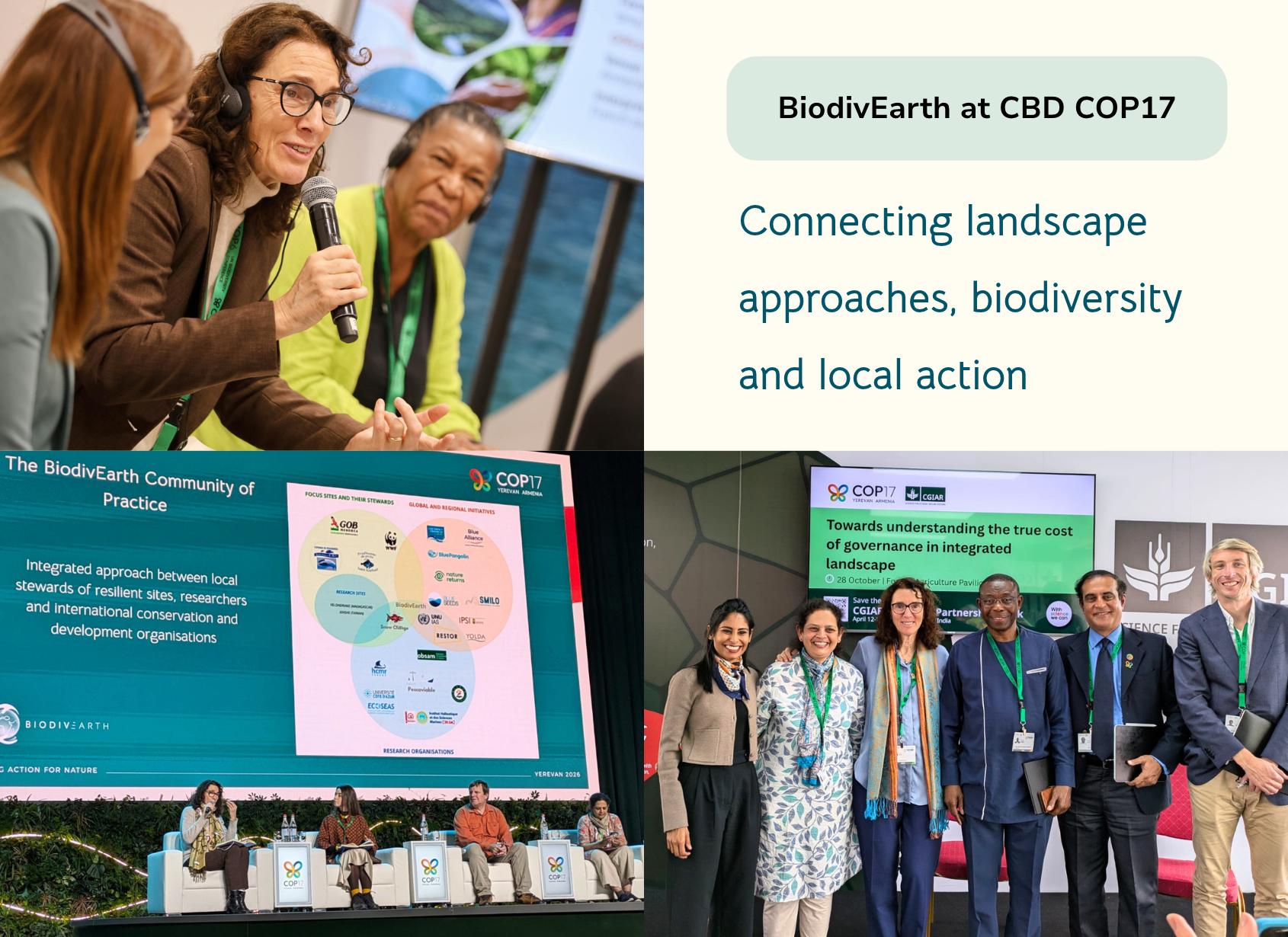
Photo credits: The top-left photo in the collage © IISD/ENB | Anastasia Rodopoulou
Bottom pictures © BiodivEarth | Marie Romani